



India needs to invest $13 trillion to reach net zero emissions by 2050, says report
- In Reports
- 04:41 PM, Aug 24, 2023
- Myind Staff
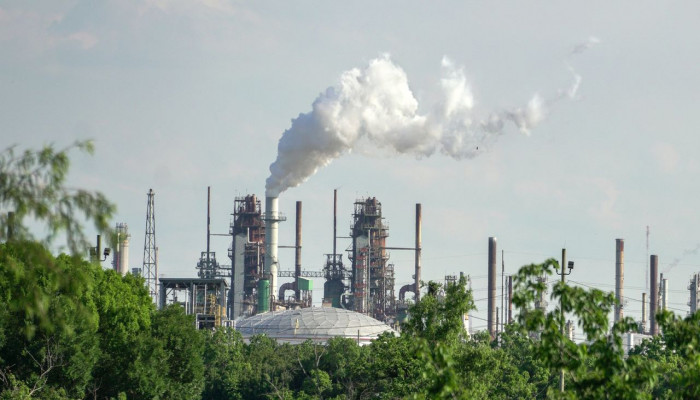
According to a recent analysis by BloombergNEF, India is projected to make substantial investments in its energy infrastructure, totaling $12.7 trillion. This amount significantly surpasses the country's gross domestic product and is deemed necessary to achieve the ambitious goal of reaching net zero emissions by the mid-century mark. This commitment is seen as a pivotal contribution towards preventing catastrophic global warming, according to the study.
BloombergNEF highlighted the imperative of surpassing India's official target of achieving net zero emissions by 2070. To meet this goal earlier, the report emphasizes the urgent need for rapid action in the country's electricity sector, which heavily relies on coal. The New Energy Outlook for India underscores the necessity for substantial investments in grid improvements to accommodate the variability of renewable energy sources. Furthermore, it stresses the importance of increasing funding for green energy initiatives as essential steps towards this early target attainment.
India, the world's third-largest greenhouse gas emitter, heavily relies on coal for around 70% of its electricity and for key industries like steel, cement, and aluminum. Despite significant growth in renewable energy, including a record 16 gigawatts of solar installed in 2022, extensive funding is essential for a transition. Achieving the 2050 spending target aligned with global climate goals requires $438 billion annually, a substantial increase from the previous year's $17 billion investment. Cumulative investments of $2.8 trillion by 2050, with over $2.7 trillion dedicated to low-carbon efforts, are necessary for power generation expansion.
“Building the entire necessary infrastructure would require investments at an unprecedented scale and speed, which the Indian banks alone may not be able to meet,” said Shantanu Jaiswal, head of India research at BNEF.
Global investment in India's renewable energy sector remains cautious, with eight of the top 10 global pension and sovereign wealth funds yet to participate, as reported by BNEF. In addition, India's domestic pension and life insurance funds confront limitations. The nation's efforts to attract global capital have been hindered by power market inefficiencies and external factors like the U.S. Inflation Reduction Act and European initiatives to attract clean-power investments.
“India needs to set sector-specific decarbonization pathways and to develop enabling policies to tap all sources of global and domestic financing,” BNEF’s Jaiswal said.
Under BNEF's visionary 2050 projection, India's emissions trajectory takes distinct paths to power-related emissions peaking in 2024. Transport sector emissions will plateau in 2028 via accelerated electric vehicle adoption, and industrial emissions will hit a zenith in 2031 before undergoing a steep drop.
Technological innovations like green hydrogen and carbon capture are deemed crucial for emissions reduction, potentially slashing cement manufacturing emissions by 56%. In the context of road transport, electrification necessitates robust charging infrastructure and abundant clean energy supply.
BNEF's net-zero scenario suggests that by 2050, India could minimize fossil fuel imports, aligning with Prime Minister Narendra Modi's goal of energy self-sufficiency by 2047. In a less ambitious scenario rooted in technological progress driven by cost dynamics rather than policy, India's power mix improves with a yearly average spending of $262 billion.
Image source: The Wall Street Journal



 Loading...please wait
Comments